Ensuring Legal Compliance and Growth in the Game Meat Industry
The future growth of the venison and game meat industry faces significant challenges due to the sale of meat not meeting legal specifications and health regulations. While the demand for game meat continues to rise, especially among health-conscious consumers, much of the meat remains unregulated and untraceable.
Compliance with Regulations
According to Charl de Villiers, chairperson of Game Abattoirs and Meat Establishments of South Africa, the regulations for venison are as strict as those for any other commercially available meat in the country. These regulations ensure that:
- Game carcasses must be processed by certified abattoirs.
- Bacteria levels need to be closely monitored.
- The meat must have full traceability from farm to market.
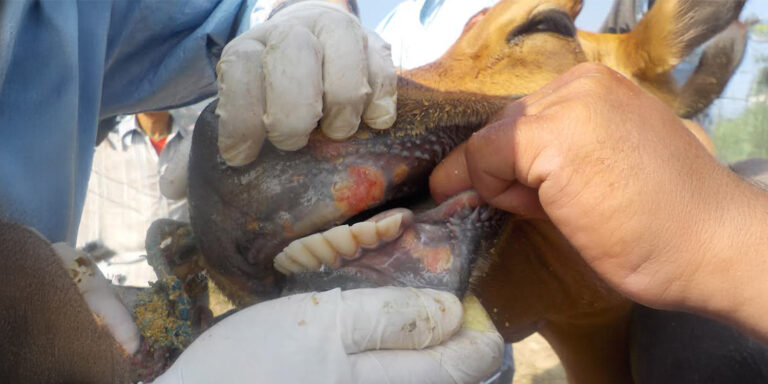
Yet, there is a growing issue of illegal game meat sales. Hunters and game farmers are selling venison privately through social media platforms, bypassing the proper channels. This has led to on-farm slaughters, with animals being skinned and sold to butcheries without adhering to health protocols.
This kind of illegal meat trade is harmful to the industry because it:
- Undercuts legal producers who follow regulations at great cost.
- Poses a public health risk due to unregulated handling.
Challenges and Opportunities for Venison
Venison has enormous growth potential within the game industry, but it remains underexploited. The demand for this meat extends beyond health-conscious consumers to include rural communities, where access to affordable, healthy protein could make a significant impact.
Jaco Sullivan, manager of Bongela Private Game Lodge, emphasizes that venison could be a solution to hunger in these areas, offering a new, sustainable source of protein.
The Impact of Illegal Meat Sales on the Industry
The sale of illegal game meat not only hampers the growth of the legal industry but also threatens the industry’s reputation. As De Villiers pointed out, certified farmers face a tough battle as they are forced to compete with cheaper, unregulated meat.
Supermarkets and retail chains are beginning to offer certified venison, which has helped drive sales. However, the illegal trade continues to create challenges in quantifying the true size and value of the venison market.
Need for Greater Compliance
In order to fully exploit the potential of the venison industry and ensure its long-term growth, stricter compliance and enforcement are essential. De Villiers noted that hunters and game farmers must understand the responsibility that comes with selling meat. While some argue for the continuation of traditional practices, ensuring the safety and quality of the product is vital for protecting consumers and the future of the industry.
Beyond Bush Venison is committed to adhering to these strict health and legal standards to provide consumers with high-quality, traceable game meat. By ensuring compliance, we aim to contribute to the sustainable growth of the industry while promoting a healthier and safer meat product for all.